
Diverticulitis is one of those conditions that many people have heard of but do not fully understand until it affects them directly. It often begins with abdominal discomfort that can be mistaken for something minor, only to become more persistent or severe over time.
For some patients, diverticulitis is a one-time episode that resolves with treatment. For others, it can become a recurring issue that begins to interfere with daily life. Knowing the difference between a mild episode and a situation that may require more advanced care is an important part of managing the condition.
What diverticulitis is
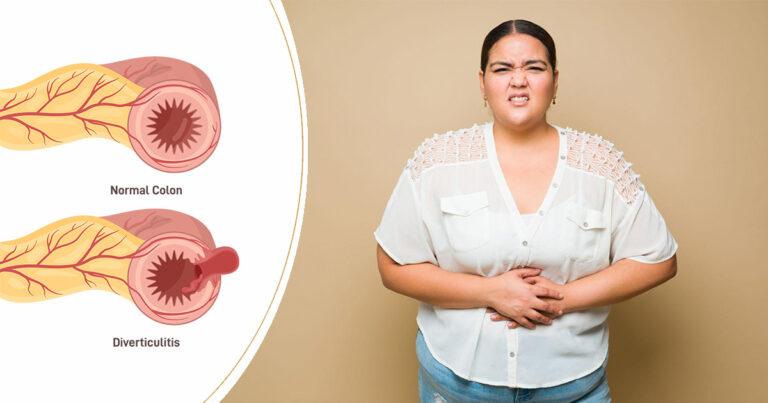
Diverticulitis develops from a condition called diverticulosis, where small pouches, known as diverticula, form in the wall of the colon. These pouches are relatively common, especially with age, and many people have them without ever experiencing symptoms.
Problems arise when one or more of these pouches become inflamed or infected. This is what leads to diverticulitis. Once inflammation sets in, symptoms can range from mild discomfort to more significant pain and illness, depending on how severe the inflammation becomes.
Common symptoms to watch for
Diverticulitis often presents with pain in the lower left side of the abdomen. This discomfort may start gradually and then become more noticeable over time.
Some patients describe it as a steady ache, while others feel sharper pain that worsens with movement. Other symptoms may include fever, nausea, changes in bowel habits, or a feeling of bloating. Some individuals experience constipation, while others notice diarrhea or irregular patterns.
Because these symptoms can overlap with other digestive conditions, it is not always immediately clear what is causing the problem. That is why proper evaluation is important when symptoms persist.
When an episode becomes more serious
Not all cases of diverticulitis are the same. Some can be managed with rest, dietary adjustments, and medication. Others may become more complicated and require a higher level of care. More severe cases can involve complications such as abscess formation, perforation of the colon, or blockage of the digestive tract. These situations can lead to significant pain, infection, and a need for urgent treatment. Symptoms that feel more intense than typical abdominal discomfort, especially when combined with fever or worsening pain, should not be ignored.
Recurring diverticulitis
For some patients, diverticulitis is not a one-time event. Episodes may return, sometimes with increasing frequency or severity. Repeated inflammation can affect the surrounding tissue and lead to scarring or narrowing of the colon. Over time, this may contribute to ongoing digestive issues or increase the likelihood of complications. When diverticulitis becomes recurrent, the focus often shifts from treating individual episodes to considering longer-term solutions.
When surgery may be part of the conversation
Surgical treatment is not necessary for every case of diverticulitis. Many patients respond well to non-surgical care, especially during an initial episode. Surgery may be considered in situations where:
The goal of surgery is to remove the affected portion of the colon and restore normal function while reducing the risk of future episodes.
At Surgical Associates of Bayonet Point, Dr. Donald Fridley evaluates each case individually, taking into account the severity of symptoms, the patient’s overall health, and how the condition has progressed over time. This approach helps determine whether surgical treatment is appropriate and when it should be considered.
What evaluation may involve
Diagnosing diverticulitis typically involves imaging studies, such as a CT scan, which can confirm inflammation and identify any complications. A physical exam and review of symptoms are also important parts of the process. In some cases, additional testing may be recommended after the initial episode has resolved to better understand the condition of the colon and guide long-term care. This evaluation helps ensure that treatment decisions are based on a clear understanding of what is happening, rather than symptoms alone.
Living with diverticulitis
Managing diverticulitis often involves a combination of medical treatment, dietary adjustments, and awareness of symptoms. For patients who experience only a single episode, these steps may be enough to prevent recurrence. For those dealing with repeated flare-ups, the condition can become more disruptive. Pain, dietary restrictions, and uncertainty about when symptoms may return can affect daily routines and overall quality of life. Having a clear plan in place can make a significant difference, whether that involves ongoing medical management or considering surgical options.
Knowing when to take the next step
Abdominal pain is easy to dismiss at first, especially when it comes and goes. When symptoms become more consistent, more intense, or begin to affect how you feel day to day, it is worth taking a closer look. Diverticulitis is a condition that can often be managed effectively, but ignoring it can allow it to progress into something more complicated.If you have experienced repeated episodes, ongoing discomfort, or symptoms that do not seem to fully resolve, seeking evaluation can help you understand your options and move forward with a clearer plan.

Our facility is one of the few Centers of Excellence in Bariatric Surgery in the region.


Scheduling a consultation is the next step toward your new life!
We are here to help.

Get monthly nutritional tips, healthy recipes, support, exclusive events, and more!