
A hernia is one of those conditions many people have heard of but are not always sure how to recognize. Some imagine it as a sudden injury, while others assume it would be obvious right away. In reality, hernias can develop gradually, and the signs are not always as dramatic as people expect.
Because of that, symptoms are often overlooked or dismissed early on. Understanding what to look for can make it easier to recognize when something may need medical attention.
What a hernia actually is
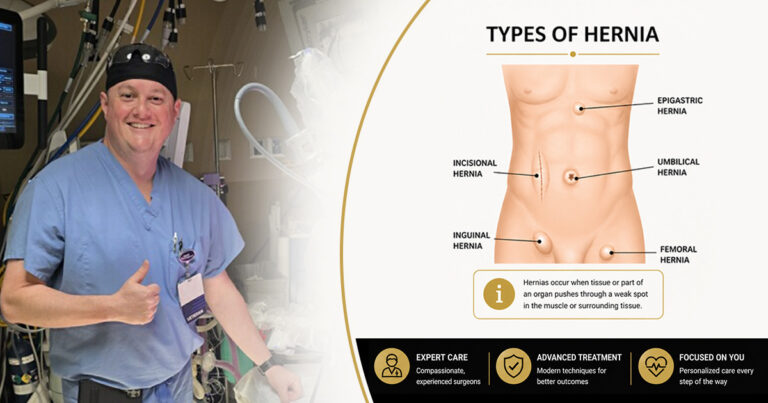
A hernia occurs when an internal organ or tissue pushes through a weakened area in the muscle or connective tissue that normally holds it in place. This most often happens in the abdominal wall, but it can occur in other areas as well.
Hernias do not typically heal on their own. Once a weakness develops, it tends to remain, and symptoms may gradually become more noticeable over time. Some hernias are present at birth, while others develop later due to strain, aging, previous surgery, or increased pressure within the abdomen.
A visible or noticeable bulge
One of the most recognizable signs of a hernia is a bulge or swelling in the affected area. This may appear in the abdomen, near the belly button, or in the groin. The bulge may be more noticeable when standing, coughing, or straining, and it may seem to disappear or flatten when lying down. Some people only notice it occasionally, especially in the early stages.
In certain cases, the bulge may not be obvious at all, particularly if the hernia is small or located deeper within the abdominal wall. That is why other symptoms are just as important to pay attention to.
Discomfort, pressure, or a pulling sensation
Not all hernias cause sharp pain. Many people describe a more subtle sensation, such as pressure, heaviness, or a pulling feeling in the affected area.
This discomfort may become more noticeable after standing for long periods, lifting something heavy, or engaging in physical activity. It may improve with rest, which can make it easy to overlook at first. Over time, the discomfort may become more consistent, especially if the hernia continues to enlarge.
Pain that worsens with activity
As a hernia progresses, some individuals begin to experience more defined pain. This can range from mild discomfort to a sharper or more persistent ache. Activities that increase pressure in the abdomen, such as lifting, bending, coughing, or even prolonged standing, can make symptoms more noticeable. For some, the pain may interfere with daily routines or limit physical activity.
Pain does not always mean the hernia is severe, but it is a sign that the area is under stress and should be evaluated.
Changes after previous surgery
Hernias can also develop at the site of a previous surgical incision. These are known as incisional hernias. If you have had abdominal surgery in the past and begin to notice a bulge, discomfort, or weakness near the incision site, it is worth having it checked. These hernias may develop months or even years after the original procedure.
In some cases, individuals who need bariatric surgery may also have a hiatal hernia. If the hernia is causing significant symptoms (such as GERD, heartburn, or swallowing difficulties), it may need to be repaired during the same surgery. (See Hiatel Hernia Plus Bariatric Surgery)
When symptoms should not be ignored
While many hernias develop gradually, there are situations where symptoms require more urgent attention. Severe pain, a firm or tender bulge that does not reduce, nausea, vomiting, or difficulty passing gas or having a bowel movement may indicate that a portion of tissue has become trapped. This can affect blood flow and lead to serious complications if not treated promptly. These symptoms are less common, but they should not be ignored.
When to seek evaluation
If you suspect you may have a hernia, the next step is a proper evaluation. Even mild or occasional symptoms are worth discussing, especially if they are recurring or becoming more noticeable. Diagnosis often involves a physical examination, and in some cases, imaging studies may be used to confirm the findings or better understand the size and location of the hernia.
At Surgical Associates of Bayonet Point, Dr. Donald Fridley evaluates hernias with attention to both the current symptoms and how they may progress over time. Some hernias can be monitored for a period, while others are better treated before they begin to interfere more significantly with daily life.
What treatment may involve
The only definitive treatment for a hernia is surgical repair. The goal of surgery is to return the tissue to its proper position and reinforce the weakened area to reduce the risk of recurrence. Many hernia repairs are performed using minimally invasive techniques, depending on the type and location of the hernia. This approach may allow for smaller incisions and a smoother recovery in appropriate cases.
Not every hernia requires immediate surgery, but delaying treatment for too long can allow the condition to worsen. Timing is an important part of the conversation and should be based on symptoms, lifestyle, and overall health.
Paying attention to early signs
Hernias often start small, which is why they are easy to ignore. A slight bulge, occasional discomfort, or a feeling of pressure may not seem like enough reason to seek care. Over time, those subtle signs tend to become more noticeable.
If you have been experiencing changes like these, even if they seem minor, having them evaluated can provide clarity and help you understand your options before the condition progresses further.

Our facility is one of the few Centers of Excellence in Bariatric Surgery in the region.


Scheduling a consultation is the next step!
We are here to help.

Get monthly nutritional tips, healthy recipes, support, exclusive events, and more!