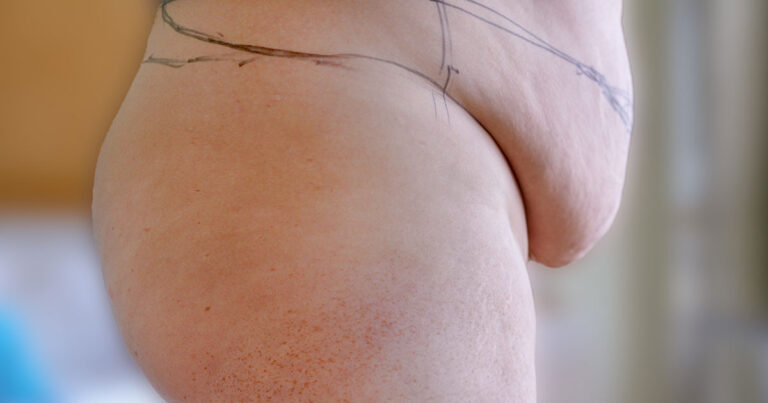
Significant weight loss is a life-changing achievement that improves health, mobility, and overall quality of life. However, for many patients after bariatric surgery, one unexpected challenge remains: excess, hanging abdominal skin known as a pannus. When this excess skin interferes with daily life or causes medical issues, a panniculectomy may be an important next step in the weight-loss journey.
A panniculectomy is a surgical procedure that removes excess skin and tissue from the lower abdomen. Unlike cosmetic procedures, this surgery is typically performed for functional and medical reasons, not appearance alone. After substantial weight loss, the skin may not rebound fully, leading to discomfort, hygiene difficulties, rashes, infections, and limitations in physical activity. It’s important to note that a panniculectomy is different from a tummy tuck (abdominoplasty). A tummy tuck focuses on contouring the abdomen and tightening muscles for cosmetic purposes, while a panniculectomy strictly removes the overhanging skin to improve function and health.
Patients who have undergone bariatric surgery and achieved stable weight loss may be good candidates for a panniculectomy if they experience:
Most surgeons recommend waiting until weight has stabilized—usually for at least 6 to 12 months—before considering surgery. This ensures better healing and longer-lasting results.
For many patients, a panniculectomy can significantly improve daily comfort and overall well-being. Removing excess skin can reduce chronic inflammation, decrease the risk of infections, and make physical activity more accessible. Patients often report improved mobility, easier hygiene, and greater confidence in managing their health after surgery. These benefits can also support long-term weight maintenance by making exercise and movement more comfortable.
A panniculectomy is performed under general anesthesia and typically takes several hours, depending on the amount of tissue removed. Patients may stay overnight or go home the same day, depending on their individual situation.
Recovery varies, but most patients should expect several weeks of limited activity. Temporary swelling and discomfort are normal, and patients are closely monitored during follow-up visits to ensure proper healing. Your surgical team will provide detailed instructions regarding wound care, activity restrictions, and signs to watch for during recovery. Following post-operative guidelines is essential for achieving the best outcome and minimizing complications.
Because panniculectomies are often medically necessary, many insurance plans may provide coverage. Approval usually requires documentation of chronic symptoms, failed non-surgical treatments, and stable weight following bariatric surgery. Our office works closely with patients to help navigate the insurance process and gather the required medical records. A panniculectomy can be a powerful tool in completing the weight-loss journey after bariatric surgery. If excess abdominal skin is affecting your comfort, health, or quality of life, a consultation can help determine whether this procedure is right for you.
Here as SABP, we are committed to supporting patients at every stage of their transformation, before, during, and long after weight-loss surgery.

Our facility is one of the few Centers of Excellence in Bariatric Surgery in the region.

No. A panniculectomy is generally considered a medically necessary procedure when excess skin causes health problems such as rashes, infections, or mobility issues. This is different from cosmetic procedures designed primarily to improve appearance.
The procedure removes excess skin, not fat, so it is not a weight-loss surgery. However, many patients find it easier to stay active and maintain their weight after surgery due to improved comfort and mobility.
Initial recovery usually takes several weeks, with most patients returning to light activities within 4 to 6 weeks. Full healing may take a few months, depending on individual health and adherence to post-operative instructions.
Yes, scarring is expected, as this is a surgical procedure. The incision is typically placed low on the abdomen and designed to be concealed by clothing when possible. Scars often fade over time with proper care.
Weight stability is important for optimal results. Most surgeons recommend maintaining a stable weight for at least 6 to 12 months before undergoing a panniculectomy.
Many insurance plans may cover the procedure if medical necessity is documented. Coverage varies by plan, and preauthorization is usually required.
Scheduling a consultation is the next step toward your new life!
We are here to help.