The Mighty Power of Seeds: Small Foods with Big Health Benefits
When you think of superfoods, your mind might jump to kale, blueberries, or salmon. But don’t overlook one of the smallest—and most powerful—nutritional powerhouses available: seeds. Seeds are nature’s original multivitamin. Packed with nutrients, healthy fats, fiber, and antioxidants, they play an important role in promoting overall wellness. Whether you sprinkle them on your smoothie bowl, bake them into bread, or munch on them as a snack, seeds can add both flavor and functional health benefits to your diet.
Let’s dive into the health benefits of some of the most popular edible seeds.
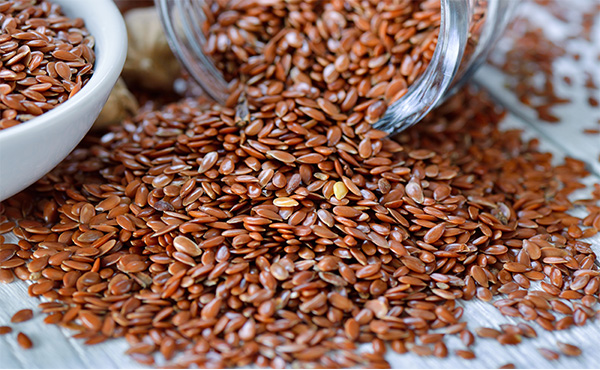
Flaxseeds
Flaxseeds are one of the richest plant sources of omega-3 fatty acids, specifically ALA (alpha-linolenic acid). They are also high in lignans, powerful antioxidants that may help reduce the risk of certain cancers. Highlighted benefits include:
Supports heart health by lowering LDL (bad) cholesterol
May reduce inflammation
Promotes digestive health with high fiber content
Helps balance hormones (especially in women)
Tip: Ground flaxseeds are easier to digest and absorb than whole.
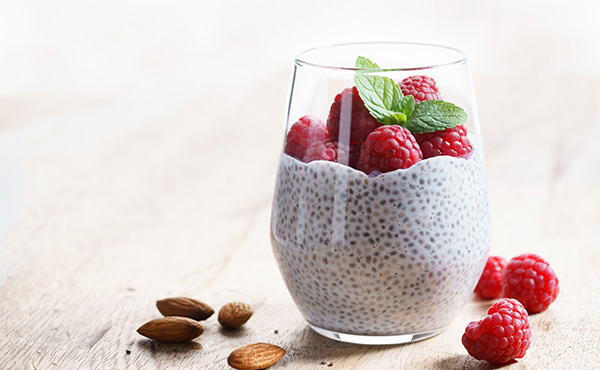
Chia Seeds
Chia seeds might be tiny, but they absorb up to 12 times their weight in water, forming a gel-like consistency. This makes them great for hydration and digestive support. Highlighted benefits include:
High in omega-3s, fiber, and protein
Helps regulate blood sugar levels
Supports satiety and weight management
Loaded with antioxidants
Tip: Try them in overnight oats or as an egg substitute in baking.
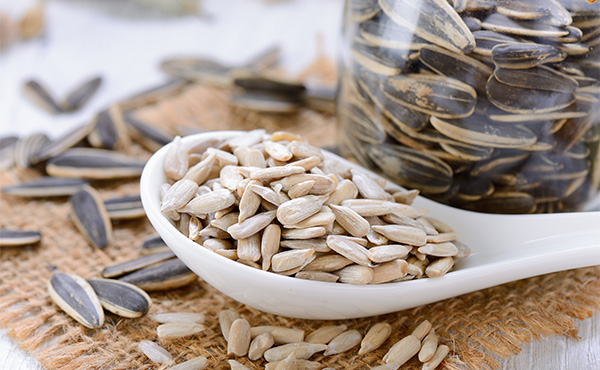
Sunflower Seeds
Popular in trail mixes and snacks, sunflower seeds are rich in vitamin E, a powerful antioxidant that supports skin health and immune function. Highlighted health benefits include:
Supports cardiovascular health
Reduces inflammation
Boosts skin health and elasticity
May help manage blood sugar
Tip: Choose unsalted, raw sunflower seeds for the most benefits.
Pumpkin Seeds
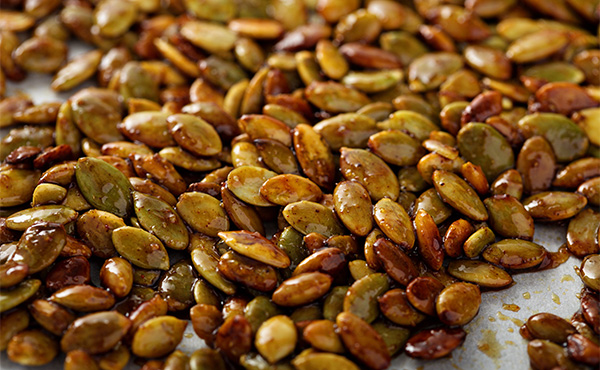
Pumpkin seeds are a fantastic source of magnesium, zinc, and plant-based protein. Just one ounce provides nearly 40% of your daily magnesium needs. Highlighted benefits include:
Supports prostate and bladder health
Improves sleep due to tryptophan content
Enhances immune function with zinc
Contributes to strong bones
Tip: Roast them with a pinch of sea salt and cinnamon for a healthy snack.
Hemp Seeds
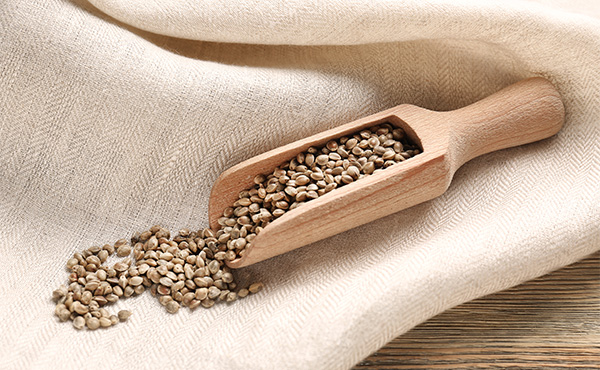
Soft and nutty in flavor, hemp seeds are a complete protein, containing all nine essential amino acids. They’re also high in healthy omega-6 and omega-3’s. Health benefits include:
Excellent plant-based protein source
Supports brain and heart health
Reduces PMS and menopause symptoms
Promotes muscle recovery and energy
Tip: Blend into smoothies or sprinkle on avocado toast.
How to Add More Seeds to Your Diet
Seeds are easy to incorporate into everyday meals:
Add to smoothies, yogurt, or oatmeal
Stir into baking recipes
Toss over salads, soups, or grain bowls
Mix into homemade granola or energy bars
Use as a topping for stir-fries or roasted vegetables
Damian earned her bachelor’s in nutrition science from UC Davis, California and is a certified nutrition consultant. She provides nutrition guidance and education for people who suffer from a wide array of conditions such as autoimmune disease, degenerative diseases, mental illnesses, diabetes, cancer and most recently obesity. She has also provided support for specialty groups such as athletes, adolescents, and the elderly.
She believes the best way to maintain good health is to adopt eating and lifestyle habits that are sustainable for the long term. These habits should not only be manageable but enjoyable to you as well. They should support your individual energy requirement, optimize your digestive health, lower inflammation, and keep your blood sugar balanced.
Strengthening the body’s systems and improving the quality of life with whole foods nutrition is the common goal for all her patients.